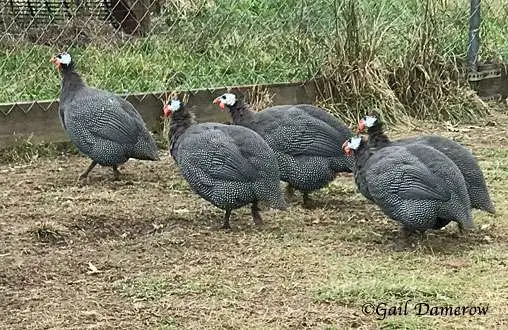
Guinea fowl are unique poultry birds known for their distinctive spotted feathers, loud calls, and exceptional pest-control abilities. Originally native to Africa, these birds are now raised worldwide in farms and backyards.
Whether you are interested in raising guinea fowl, learning about their history, or understanding their role in agriculture, this guide provides a complete overview.
What Is a Guinea Fowl?
The Guinea fowl is a group of ground-dwelling birds belonging to the family Numididae. These birds are closely related to chickens, turkeys, and pheasants but are easily recognized by their helmet-like heads and dotted plumage.
The most common species kept domestically is the Helmeted guinea fowl, also called the guinea hen when referring to females. These birds are widely raised for eggs, meat, and natural pest control.
Guinea fowl are often described as:
- Medium-sized African guinea fowl birds
- Hardy and adaptable
- Excellent for free-range farming
- Loud but effective farm guardians
They are popular in backyard poultry systems because they require relatively little care compared to chickens.
Taxonomy and Classification
Guinea fowl belong to the biological classification:
- Kingdom: Animalia
- Phylum: Chordata
- Class: Aves
- Order: Galliformes
- Family: Numididae
The family includes several types of guinea fowl, such as:
- Helmeted guinea fowl – the most commonly domesticated species
- Vulturine guinea fowl – known for its striking blue feathers and long neck
- Crested guinea fowl – identified by its curly crest
- Black guineafowl
Among these, the helmeted variety is the primary bird used in guinea fowl farming and backyard flocks.
Origins and History
Guinea fowl originate from Africa, where wild guinea fowl still roam savannas and open grasslands.
Historically:
- They were domesticated in West Africa thousands of years ago.
- Ancient traders introduced them to Ancient Greece and the Roman Empire.
- During colonial trade, guinea fowl spread to Europe and the Americas.
Today, guinea fowl are raised globally for eggs, meat, and natural pest control, especially in small farms and backyard poultry systems.
For more background information, visit:
- https://en.wikipedia.org/wiki/Guinea_fowl
- https://poultry.extension.org/articles/poultry-management/raising-guinea-fowl-in-small-and-backyard-flocks/
Physical Characteristics and Identification
Guinea fowl are easy to identify due to their unique appearance.
Key traits include:
- Speckled feathers with white spots
- Bare head with a helmet-shaped casque
- Strong legs for ground foraging
- Loud, distinctive calls
The average adult bird weighs 3–4 pounds (1.4–1.8 kg) and can live 10–15 years with proper care.
Guinea Fowl Habitat and Behavior
Wild guinea fowl prefer:
- Grasslands
- Open savannas
- Farmland edges
- Woodland clearings
Their natural guinea fowl habitat allows them to forage for insects, seeds, and small invertebrates.
Domesticated birds thrive in backyard guinea fowl environments where they can roam freely during the day and return to shelter at night.
Guinea Fowl Farming and Care
Raising guinea fowl has become popular among small farmers and homesteaders.
Housing
Proper guinea fowl housing should include:
- Predator-proof coop
- Elevated roosts
- Adequate ventilation
- Outdoor free-range space
Feeding
Guinea fowl naturally forage for:
- Ticks
- Beetles
- Grasshoppers
- Weed seeds
Because of this behavior, many farmers keep guinea fowl for pest control around gardens and farms.
Keets (Guinea Fowl Chicks)
Young guinea fowl are called keets.
Important care tips for guinea fowl chicks (keets):
- Warm brooder temperature
- High-protein starter feed
- Protection from predators
- Gradual introduction to outdoor space
Guinea Fowl for Sale: Best Places to Buy & Prices
Guinea Fowl vs Chicken
Many people compare guinea fowl vs chicken when deciding what poultry to raise.
| Feature | Guinea Fowl | Chicken |
|---|---|---|
| Noise Level | Very loud | Moderate |
| Pest Control | Excellent | Moderate |
| Egg Production | Lower | Higher |
| Hardiness | Very hardy | Varies by breed |
| Free-range ability | Strong | Moderate |
Guinea fowl are better suited for free-range farms, while chickens are typically preferred for consistent egg production.
Eggs and Breeding
Guinea Fowl Eggs
Guinea fowl eggs are:
- Smaller than chicken eggs
- Very hard-shelled
- Rich in flavor
The typical guinea fowl egg color ranges from cream to light brown with speckles.
Breeding and Incubation
Key breeding facts:
- Breeding season: Spring to early summer
- Guinea fowl incubation period: about 26–28 days
- Females lay 20–30 eggs per clutch
Distinguishing guinea fowl male vs female can be tricky, but males usually have louder calls and larger head helmets.
Guinea Fowl Meat and Culinary Uses
Guinea fowl meat is considered a delicacy in many cuisines.
It is known for:
- Lean protein content
- Rich, game-like flavor
- Lower fat compared to chicken
Many chefs say the guinea fowl taste resembles a combination of chicken and pheasant.
Popular dishes include:
- Roasted guinea fowl
- French country stews
- Mediterranean herb roasts
In addition, guinea fowl nutrition provides high protein and essential vitamins.
Interesting Facts About Guinea Fowl
Here are some fascinating facts about these birds:
- Guinea fowl are excellent tick hunters, helping reduce Lyme disease risk in rural areas.
- They can act as natural alarm systems, loudly warning when predators or strangers approach.
- A group of guinea fowl is sometimes called a confusion because of their noisy flock behavior.
- Despite domestication, many birds still retain strong wild guinea fowl instincts.
FAQs
Are guinea fowl good for pest control?
Yes. Guinea fowl are widely kept on farms because they eat insects like ticks, grasshoppers, beetles, and even small snakes. This makes them highly effective natural pest control birds in gardens and agricultural areas.
Do guinea fowl lay eggs every day?
No. Guinea hens usually lay eggs during the warm breeding season. While they can produce 60–100 eggs per year, they do not lay as consistently as chickens.
Are guinea fowl eggs good to eat?
Yes, guinea fowl eggs are smaller than chicken eggs, have thick shells, and are rich in protein. They are nutritious, flavorful, and ideal for baking or daily consumption.
Are guinea fowl difficult to raise?
Guinea fowl are relatively easy to raise because they are hardy and forage well. However, they can be noisy and tend to roam, so they are best suited for farms or large backyard spaces.
What is the incubation period for guinea fowl eggs?
The typical guinea fowl incubation period is 26 to 28 days, slightly longer than chicken eggs.
Conclusion
Guinea fowl are fascinating birds with a long history, unique appearance, and practical benefits for farms and backyard poultry keepers. From their African origins to their modern role in pest control and sustainable farming, these birds continue to gain popularity worldwide.
Whether you’re interested in raising guinea fowl, trying guinea fowl eggs, or exploring guinea fowl meat recipes, these hardy birds offer both agricultural and culinary value.
Leave a Reply