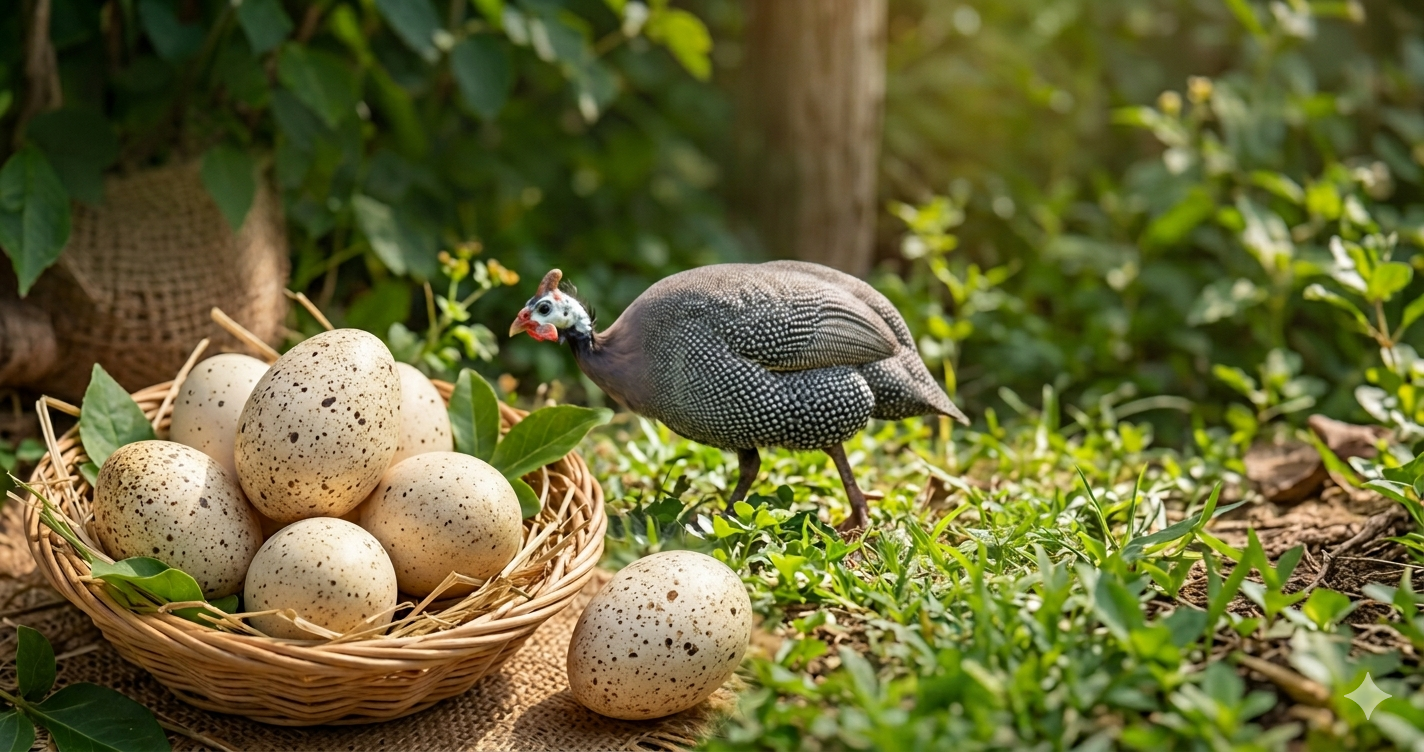
Guinea fowl eggs are one of those foods that surprise people in the best way. They look familiar enough to feel approachable, but they also have a unique size, shell, and taste that set them apart from regular chicken eggs.
If you are in the USA and thinking about raising guinea fowl, buying their eggs, or simply learning whether they are safe and useful in the kitchen, you are in the right place.
This guide breaks down what guinea fowl eggs are, how they taste, how to use them, and what makes them different in a simple way.
What Are Guinea Fowl Eggs?
Guinea fowl eggs are the eggs laid by guinea fowl, a bird often raised for pest control, meat, and farmyard alert behavior. Their eggs are usually smaller than chicken eggs, with a pointed shape and a hard shell that feels stronger and thicker.
The shell color is often cream, light brown, or tan, usually with tiny speckles. Inside, the yolk tends to look rich and vibrant, and many people say the flavor feels more concentrated than a standard chicken egg.
For beginners, the biggest surprise is often the shell. Guinea fowl eggs do not crack as easily as chicken eggs, which is helpful for storage but may feel unusual at first in the kitchen.
Are Guinea Fowl Eggs Safe to Eat?
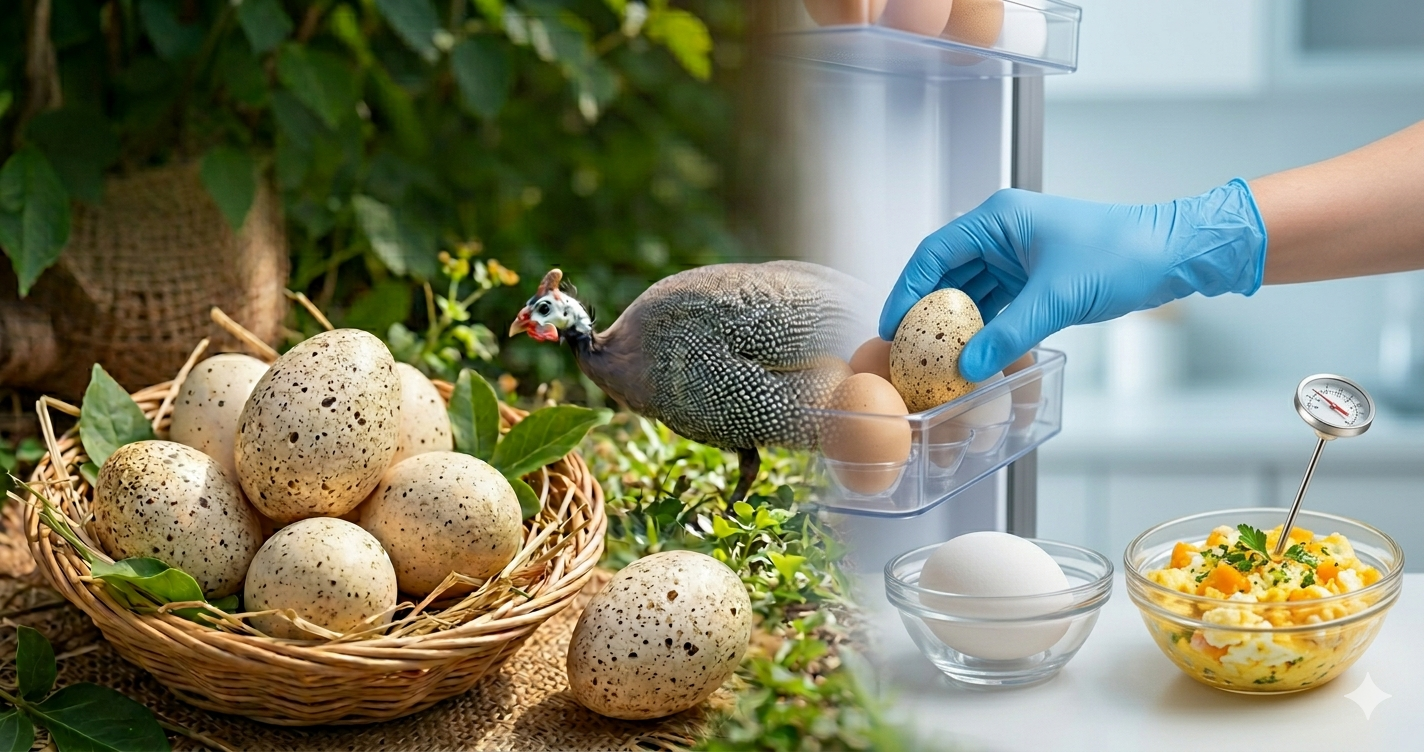
Yes, guinea fowl eggs are safe to eat when they are fresh, clean, and handled properly. Just like chicken eggs, they should come from healthy birds and be stored correctly before use.
You can boil, fry, scramble, or bake with them. The key is using the same food safety habits you would use for any other egg. Keep them refrigerated if needed, avoid cracked eggs, and cook them thoroughly if you want to reduce food safety concerns.
For many people in the USA, the question is not really about safety. It is more about familiarity. Chicken eggs are common, while guinea fowl eggs feel less familiar. But when handled properly, they are absolutely a real edible option.
What Do Guinea Fowl Eggs Taste Like?
Guinea fowl eggs have a rich, eggy flavor that many people describe as slightly stronger or more concentrated than chicken eggs. They are not strange or unpleasant. They simply feel a little more intense in a good way.
Because the eggs are smaller, the flavor can seem more compact. Some people also notice that the yolk feels richer, which makes these eggs a nice choice for simple dishes where the egg flavor really matters.
If you like farm-fresh eggs with more character, guinea fowl eggs can be very enjoyable. If you prefer very mild eggs, you may notice the difference right away.
Guinea Fowl Eggs vs Chicken Eggs
The most common comparison is guinea fowl eggs vs chicken eggs, and it is easy to see why. Chicken eggs are widely available, while guinea fowl eggs feel more niche and interesting.
Guinea fowl eggs are usually smaller. Their shells are thicker and harder. Their flavor is often described as richer. Chicken eggs, on the other hand, are more familiar, easier to find, and simpler for everyday cooking if convenience matters most.
In practical terms, guinea fowl eggs can still be used in many of the same ways. The main thing to remember is that you may need more than one guinea fowl egg to match the volume of a larger chicken egg in some recipes.
Guinea Fowl Egg Benefits
Guinea fowl eggs are valued for being rich, satisfying, and useful in a balanced diet. Like other eggs, they provide protein and fats that help make meals feel more complete.
Many people are drawn to them because they come from an alternative poultry source and feel more natural or farm-focused, especially for homesteaders and backyard poultry keepers. Their rich yolk and dense feel also make them appealing for hearty breakfasts and simple protein-based meals.
The real benefit for many people is not just nutrition on paper. It is the combination of freshness, flavor, and variety. If you raise your own birds, guinea fowl eggs can add something different to your farm-to-table routine.
Guinea Fowl Egg Shell
One of the most noticeable features of guinea fowl eggs is the thick shell. This is not just a random detail. It affects how the eggs are handled, stored, and cooked.
A thicker shell can help protect the egg better, which is useful on farms and in small backyard setups. It may also help the egg stay in good condition longer when stored properly. At the same time, it means cracking the egg can take a little more effort.
For anyone new to guinea fowl eggs, this is one of the first practical differences you will notice. It is small, but it matters.
How to Cook Guinea Fowl Eggs
Guinea fowl eggs can be cooked in many of the same ways as chicken eggs. You can boil them, fry them, scramble them, poach them, or use them in baking. The method is not the challenge. The main difference is size and shell strength.
Boiled guinea fowl eggs are a great place to start because they let you see the egg clearly and enjoy the rich yolk. Scrambled eggs are also a good option if you want an easy breakfast. In baking, they can work well, especially if you are careful about quantity.
Because they are smaller, they can also be a fun choice for snacks, salads, or small plates. They feel a little special without being difficult to use.
How to Store Guinea Fowl Eggs
Good storage matters if you want guinea fowl eggs to stay fresh and safe. Clean eggs gently if needed, avoid unnecessary washing right before storage, and keep them in a cool place depending on how they were handled after collection.
If you are using them at home in the USA, refrigeration is the safest and most practical choice in most cases. Keep them away from strong odors, use older eggs first, and check for cracks before cooking.
Because the shell is thicker, many people assume storage does not matter as much. It still does. A strong shell helps, but freshness always matters more than assumptions.
Who Should Use Guinea Fowl Eggs?
Guinea fowl eggs are a good fit for several types of people. They are useful for backyard poultry keepers who want to use what their birds produce. They are interesting for food lovers who enjoy trying less common farm products. They are also appealing to homesteaders who want more variety from their flock.
They may not be the best everyday choice for someone who needs cheap, easy-to-find eggs in large amounts. In that case, chicken eggs are usually more practical. But for people who value freshness, uniqueness, and farm-based living, guinea fowl eggs offer something worth exploring.
This is really where their value shines. They are not trying to replace every egg. They offer a different experience.
Guinea Fowl Egg Mistakes
A common mistake is assuming guinea fowl eggs behave exactly like chicken eggs in every recipe. They are similar, but their smaller size and thicker shell can change the experience a bit.
Another mistake is ignoring freshness. Because these eggs feel rare or special, some people focus too much on novelty and not enough on proper handling. Fresh, clean eggs always matter most.
Some people also give up too fast after the first try. Maybe the shell feels hard to crack, or the size seems too small. But once you get used to them, they are easy to enjoy.
Final Thoughts on Guinea Fowl Eggs
Guinea fowl eggs are small, rich, practical, and surprisingly easy to enjoy once you understand them. They are safe to eat, useful in the kitchen, and different enough from chicken eggs to feel special without being complicated.
If you raise guinea fowl or have access to their eggs in the USA, they are worth trying. Start simple, learn how they compare to chicken eggs, and use them in meals where their flavor can shine.
Are guinea fowl eggs good to eat?
Yes, guinea fowl eggs are good to eat. They are safe, rich in flavor, and can be cooked like chicken eggs.
What do guinea fowl eggs taste like?
Guinea fowl eggs taste rich and slightly stronger than chicken eggs, with a creamy yolk and fuller egg flavor.
Can you use guinea fowl eggs like chicken eggs?
Yes, you can use guinea fowl eggs like chicken eggs for boiling, frying, scrambling, and baking.
Are guinea fowl eggs smaller than chicken eggs?
Yes, guinea fowl eggs are usually smaller than chicken eggs and have a thicker shell.
How many guinea fowl eggs equal one chicken egg?
It depends on the size, but in many cases, about 2 guinea fowl eggs can equal 1 medium to large chicken egg in recipes.
Leave a Reply