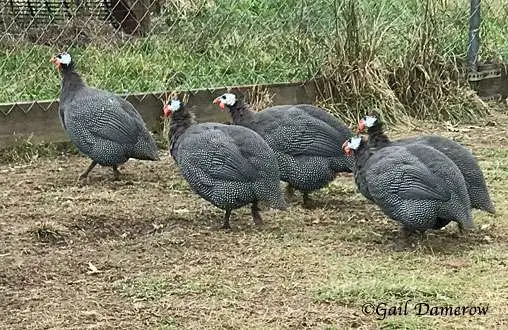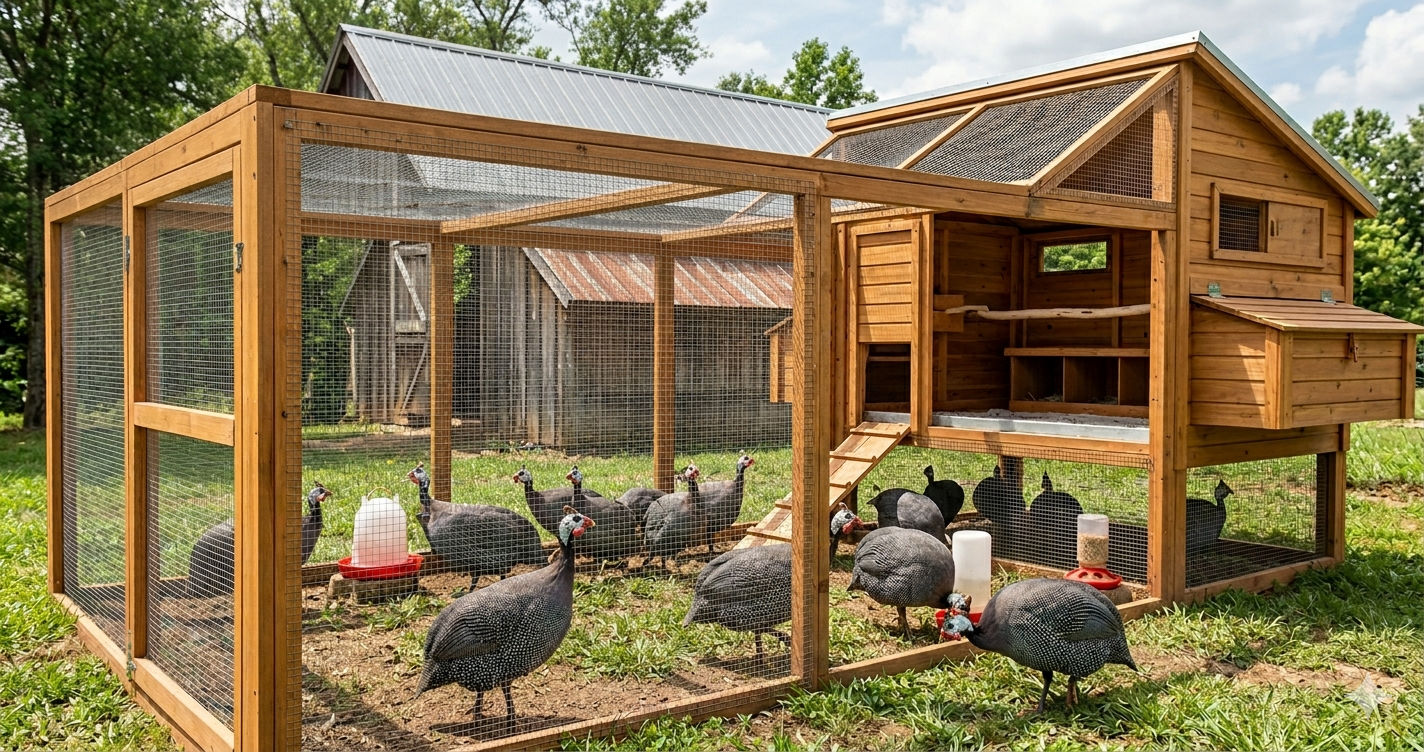
A well-made guinea fowl coop is the foundation of a safe, healthy, and easy-to-manage flock. These birds are active, alert, and a little more independent than other poultry, so their housing needs to be planned with care.
If you want fewer problems, better protection, and a coop your birds actually use, you are in the right place. This guide will walk you through the most important features, smart setup ideas, and common mistakes to avoid so you can create a guinea fowl coop that truly works.
Why a Guinea Fowl Coop Matters
A guinea fowl coop is not just a place where birds sleep. It is where they stay protected at night, rest during harsh weather, and build a routine that makes flock management easier. Guinea fowl may seem tough and self-reliant, but without a proper coop, they can become harder to manage and more exposed to danger.
A good coop helps keep birds calm, dry, and protected. It also gives you a reliable place for feeding, cleaning, and daily care. When the setup is right, everything becomes easier for both you and the flock.
What Makes a Guinea Fowl Coop Different
A guinea fowl coop is different from a basic poultry shelter because guinea fowl behave differently from many other birds. They like height, open visibility, and room to move. They can also be nervous in tight or dark spaces, which means a coop should feel secure without feeling cramped.
This is why a guinea fowl coop should focus on open design, good ventilation, and comfortable roosting areas. The goal is not to make the coop fancy. The goal is to make it work with the bird’s natural habits instead of against them.
Choosing the Best Spot for the Coop
The location of your guinea fowl coop has a big effect on how well it performs. A poor spot can create mud, trapped moisture, bad smells, and extra stress for the flock. A better location helps keep the coop dry, clean, and easier to maintain all year.
Choose a place with firm ground, good drainage, and enough open space around it. Guinea fowl feel more comfortable when they can see what is around them. A quiet and visible area often encourages them to return to the coop more reliably.
How Much Space Guinea Fowl Need
Space matters more than many people realize. Guinea fowl are active and do not do well when crowded into a small area. Tight housing can lead to stress, dirty bedding, poor air quality, and restless birds that resist using the coop properly.
Giving them enough room inside the coop helps reduce tension and makes the space easier to keep clean. More room also means birds can settle more comfortably at night, which supports better flock behavior over time.
Roosting Bars Are a Must
One of the most important parts of a guinea fowl coop is the roosting setup. Guinea fowl prefer to sleep off the ground, and they feel safer when they can perch higher up. If your coop does not give them a good place to roost, they may choose tree branches, fences, or other spots instead.
Strong roosting bars help guide their behavior and keep them inside the coop at night. Place them high enough to feel natural for the birds, but make sure they are stable and easy to clean. This one feature can make a major difference in how well the coop works.
Ventilation Keeps the Coop Healthy
A guinea fowl coop needs fresh air every day. Without proper ventilation, moisture builds up fast, bedding gets damp, and the coop starts to smell. Poor airflow can also make the space uncomfortable and unhealthy for the flock.
The best setup allows stale air to leave while keeping the birds protected from direct drafts. Openings near the upper part of the coop are often the most useful because they improve airflow without disturbing resting birds too much. Good ventilation supports better health and a cleaner coop overall.
Predator-Proofing the Coop Properly
A guinea fowl coop must be secure from every side. Birds are at their most vulnerable at night, so weak doors, loose wire, and small openings can quickly become serious problems. Even a coop that looks strong can fail if the details are ignored.
Use solid materials, secure latches, and a layout that leaves no easy access points. Check the lower edges, corners, roof sections, and entry doors carefully. A predator-proof coop is built with attention to every small gap, not just the main walls.
Flooring and Bedding That Make Life Easier
The inside of a guinea fowl coop should stay as dry and simple as possible. The floor should be easy to clean and able to support bedding that absorbs moisture well. Wet or dirty flooring can create odor, mess, and unhealthy conditions in a short time.
A low-maintenance coop is easier to manage consistently, and consistency is what keeps birds comfortable. The cleaner the floor stays, the easier it becomes to protect flock health and reduce daily stress for the owner.
Do Guinea Fowl Need Nesting Areas
Guinea fowl do not always use nesting areas the same way other birds might. Some prefer quiet hidden spots, and others may look for places outside the coop if they are allowed too much freedom. Even so, adding nesting space inside the coop can still be a smart idea.
A calm and shaded laying corner gives the flock an option and may help keep eggs cleaner and easier to find. While not every bird will use it the same way, providing the space improves your chances of more controlled laying behavior.
Easy Access for Feeding and Cleaning
A good guinea fowl coop should work well for the owner too. If you cannot reach feeders easily, clean corners properly, or move around without frustration, daily care becomes harder than it needs to be. Practical design saves time and supports better flock management.
Wide access points, simple layout choices, and smart placement of feed and water can make a huge difference. The easier the coop is to manage, the more likely it is to stay clean, organized, and useful over time.
Attached Run or Open Outdoor Access
A guinea fowl coop works even better when birds also have a safe outdoor area. Some owners prefer an attached run for more control, while others allow broader outdoor movement. Both approaches can work, but the decision depends on your setup and how much supervision you can provide.
An attached run gives structure and protection. More open access gives birds extra movement and natural activity. The right choice is the one that matches your space, your flock’s habits, and your ability to keep them safe.
Common Guinea Fowl Coop Mistakes to Avoid
Many coop problems happen because the design ignores how guinea fowl actually behave. A small coop, poor airflow, weak roosting setup, or lack of protection can all lead to stress and poor flock habits. Birds may resist going inside or fail to settle comfortably at night.
Avoiding these mistakes early saves time, effort, and future repairs. A better coop does not come from adding more features. It comes from getting the basics right from the beginning.
Simple Features That Add Real Value
The best guinea fowl coop is often the one that handles the basics extremely well. Strong doors, reliable latches, good roosts, dry bedding, proper ventilation, and enough space are the features that matter most. These details may seem simple, but they create a setup that works every single day.
Instead of overcomplicating the design, focus on what makes the coop safer, cleaner, and easier to use. When the core features are strong, the entire flock benefits and daily care becomes far more manageable.
Conclusion/Final Thoughts
A well-planned guinea fowl coop gives your birds a safe place to rest, keeps daily care more manageable, and helps prevent many common flock problems before they start. When the coop is dry, secure, well-ventilated, and spacious enough, your birds are far more likely to stay healthy and use the space properly.
The smartest approach is to focus on the essentials that truly matter. Start with location, safety, roosting, airflow, and easy maintenance. Then improve your setup step by step. Use these ideas to review your current coop or build a better one from the start, and create a space your guinea fowl can rely on every day.
FAQs:
What does a good guinea fowl coop need?
A good guinea fowl coop needs enough space, strong roosting bars, good ventilation, and solid protection from predators. It should also stay dry and be easy to clean so the birds remain healthy and comfortable.
How high should roosts be in a guinea fowl coop?
Guinea fowl prefer to sleep off the ground, so roosts should be placed higher than basic floor level. Raised roosts help birds feel safer and can make them more likely to return to the coop at night.
Do guinea fowl need to be locked in the coop at night?
Yes, locking guinea fowl in the coop at night is important for their safety. Even active and alert birds become vulnerable after dark, so a secure coop helps protect them from nighttime threats.
Is ventilation important in a guinea fowl coop?
Yes, ventilation is one of the most important parts of a guinea fowl coop. Good airflow helps reduce moisture, smell, and damp bedding while keeping the inside space fresher and healthier for the flock.