Welcome to WordPress. This is your first post. Edit or delete it, then start writing!
Author: rashid365pro@gmail.com
-
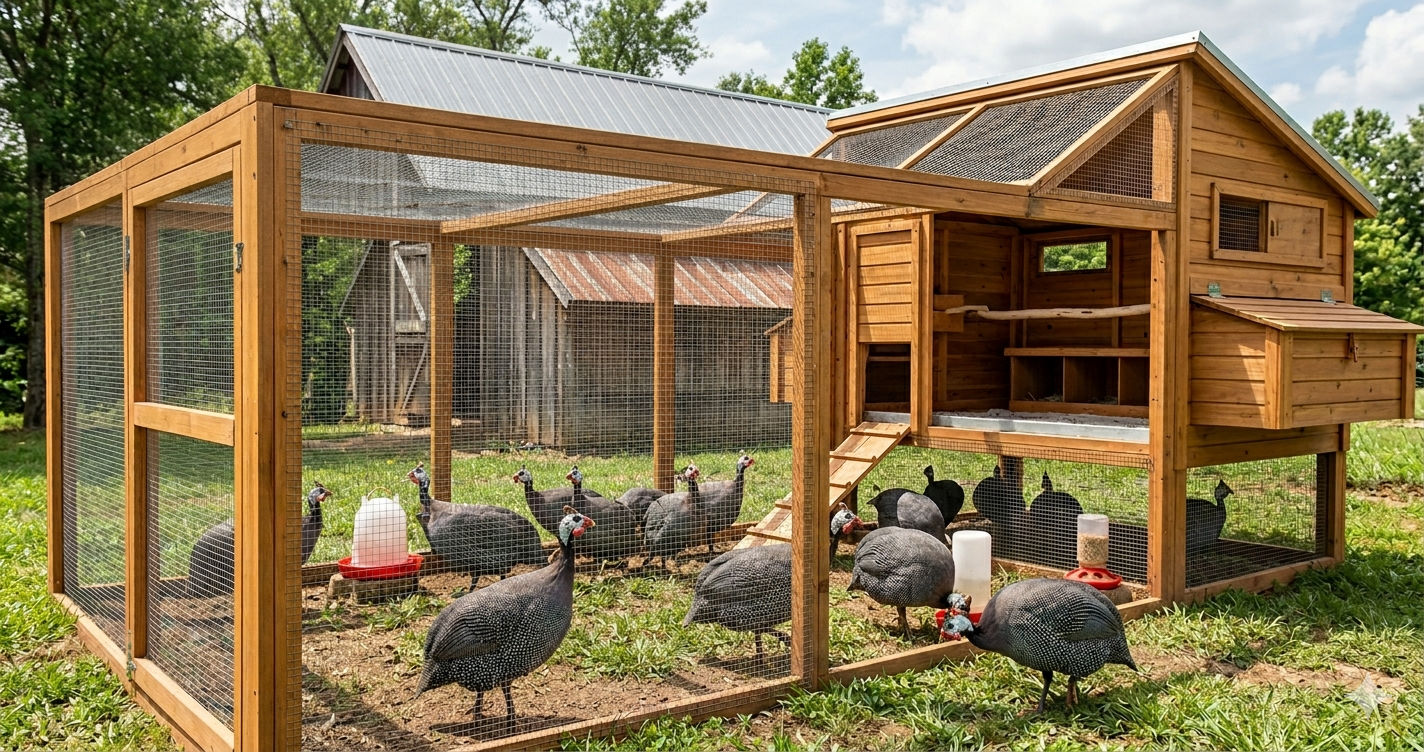
Guinea Fowl Coop Design and Care Guide
A well-made guinea fowl coop is the foundation of a safe, healthy, and easy-to-manage flock. These birds are active, alert, and a little more independent than other poultry, so their housing needs to be planned with care.
If you want fewer problems, better protection, and a coop your birds actually use, you are in the right place. This guide will walk you through the most important features, smart setup ideas, and common mistakes to avoid so you can create a guinea fowl coop that truly works.
Why a Guinea Fowl Coop Matters
A guinea fowl coop is not just a place where birds sleep. It is where they stay protected at night, rest during harsh weather, and build a routine that makes flock management easier. Guinea fowl may seem tough and self-reliant, but without a proper coop, they can become harder to manage and more exposed to danger.
A good coop helps keep birds calm, dry, and protected. It also gives you a reliable place for feeding, cleaning, and daily care. When the setup is right, everything becomes easier for both you and the flock.
What Makes a Guinea Fowl Coop Different
A guinea fowl coop is different from a basic poultry shelter because guinea fowl behave differently from many other birds. They like height, open visibility, and room to move. They can also be nervous in tight or dark spaces, which means a coop should feel secure without feeling cramped.
This is why a guinea fowl coop should focus on open design, good ventilation, and comfortable roosting areas. The goal is not to make the coop fancy. The goal is to make it work with the bird’s natural habits instead of against them.
Choosing the Best Spot for the Coop
The location of your guinea fowl coop has a big effect on how well it performs. A poor spot can create mud, trapped moisture, bad smells, and extra stress for the flock. A better location helps keep the coop dry, clean, and easier to maintain all year.
Choose a place with firm ground, good drainage, and enough open space around it. Guinea fowl feel more comfortable when they can see what is around them. A quiet and visible area often encourages them to return to the coop more reliably.
How Much Space Guinea Fowl Need
Space matters more than many people realize. Guinea fowl are active and do not do well when crowded into a small area. Tight housing can lead to stress, dirty bedding, poor air quality, and restless birds that resist using the coop properly.
Giving them enough room inside the coop helps reduce tension and makes the space easier to keep clean. More room also means birds can settle more comfortably at night, which supports better flock behavior over time.
Roosting Bars Are a Must
One of the most important parts of a guinea fowl coop is the roosting setup. Guinea fowl prefer to sleep off the ground, and they feel safer when they can perch higher up. If your coop does not give them a good place to roost, they may choose tree branches, fences, or other spots instead.
Strong roosting bars help guide their behavior and keep them inside the coop at night. Place them high enough to feel natural for the birds, but make sure they are stable and easy to clean. This one feature can make a major difference in how well the coop works.
Ventilation Keeps the Coop Healthy
A guinea fowl coop needs fresh air every day. Without proper ventilation, moisture builds up fast, bedding gets damp, and the coop starts to smell. Poor airflow can also make the space uncomfortable and unhealthy for the flock.
The best setup allows stale air to leave while keeping the birds protected from direct drafts. Openings near the upper part of the coop are often the most useful because they improve airflow without disturbing resting birds too much. Good ventilation supports better health and a cleaner coop overall.
Predator-Proofing the Coop Properly
A guinea fowl coop must be secure from every side. Birds are at their most vulnerable at night, so weak doors, loose wire, and small openings can quickly become serious problems. Even a coop that looks strong can fail if the details are ignored.
Use solid materials, secure latches, and a layout that leaves no easy access points. Check the lower edges, corners, roof sections, and entry doors carefully. A predator-proof coop is built with attention to every small gap, not just the main walls.
Flooring and Bedding That Make Life Easier
The inside of a guinea fowl coop should stay as dry and simple as possible. The floor should be easy to clean and able to support bedding that absorbs moisture well. Wet or dirty flooring can create odor, mess, and unhealthy conditions in a short time.
A low-maintenance coop is easier to manage consistently, and consistency is what keeps birds comfortable. The cleaner the floor stays, the easier it becomes to protect flock health and reduce daily stress for the owner.
Do Guinea Fowl Need Nesting Areas
Guinea fowl do not always use nesting areas the same way other birds might. Some prefer quiet hidden spots, and others may look for places outside the coop if they are allowed too much freedom. Even so, adding nesting space inside the coop can still be a smart idea.
A calm and shaded laying corner gives the flock an option and may help keep eggs cleaner and easier to find. While not every bird will use it the same way, providing the space improves your chances of more controlled laying behavior.
Easy Access for Feeding and Cleaning
A good guinea fowl coop should work well for the owner too. If you cannot reach feeders easily, clean corners properly, or move around without frustration, daily care becomes harder than it needs to be. Practical design saves time and supports better flock management.
Wide access points, simple layout choices, and smart placement of feed and water can make a huge difference. The easier the coop is to manage, the more likely it is to stay clean, organized, and useful over time.
Attached Run or Open Outdoor Access
A guinea fowl coop works even better when birds also have a safe outdoor area. Some owners prefer an attached run for more control, while others allow broader outdoor movement. Both approaches can work, but the decision depends on your setup and how much supervision you can provide.
An attached run gives structure and protection. More open access gives birds extra movement and natural activity. The right choice is the one that matches your space, your flock’s habits, and your ability to keep them safe.
Common Guinea Fowl Coop Mistakes to Avoid
Many coop problems happen because the design ignores how guinea fowl actually behave. A small coop, poor airflow, weak roosting setup, or lack of protection can all lead to stress and poor flock habits. Birds may resist going inside or fail to settle comfortably at night.
Avoiding these mistakes early saves time, effort, and future repairs. A better coop does not come from adding more features. It comes from getting the basics right from the beginning.
Simple Features That Add Real Value
The best guinea fowl coop is often the one that handles the basics extremely well. Strong doors, reliable latches, good roosts, dry bedding, proper ventilation, and enough space are the features that matter most. These details may seem simple, but they create a setup that works every single day.
Instead of overcomplicating the design, focus on what makes the coop safer, cleaner, and easier to use. When the core features are strong, the entire flock benefits and daily care becomes far more manageable.
Conclusion/Final Thoughts
A well-planned guinea fowl coop gives your birds a safe place to rest, keeps daily care more manageable, and helps prevent many common flock problems before they start. When the coop is dry, secure, well-ventilated, and spacious enough, your birds are far more likely to stay healthy and use the space properly.
The smartest approach is to focus on the essentials that truly matter. Start with location, safety, roosting, airflow, and easy maintenance. Then improve your setup step by step. Use these ideas to review your current coop or build a better one from the start, and create a space your guinea fowl can rely on every day.
FAQs:
What does a good guinea fowl coop need?
A good guinea fowl coop needs enough space, strong roosting bars, good ventilation, and solid protection from predators. It should also stay dry and be easy to clean so the birds remain healthy and comfortable.
How high should roosts be in a guinea fowl coop?
Guinea fowl prefer to sleep off the ground, so roosts should be placed higher than basic floor level. Raised roosts help birds feel safer and can make them more likely to return to the coop at night.
Do guinea fowl need to be locked in the coop at night?
Yes, locking guinea fowl in the coop at night is important for their safety. Even active and alert birds become vulnerable after dark, so a secure coop helps protect them from nighttime threats.
Is ventilation important in a guinea fowl coop?
Yes, ventilation is one of the most important parts of a guinea fowl coop. Good airflow helps reduce moisture, smell, and damp bedding while keeping the inside space fresher and healthier for the flock.
-
Guinea Fowl Eggs: Taste, Benefits, and Facts
Guinea fowl eggs are one of those foods that surprise people in the best way. They look familiar enough to feel approachable, but they also have a unique size, shell, and taste that set them apart from regular chicken eggs.
If you are in the USA and thinking about raising guinea fowl, buying their eggs, or simply learning whether they are safe and useful in the kitchen, you are in the right place.
This guide breaks down what guinea fowl eggs are, how they taste, how to use them, and what makes them different in a simple way.
What Are Guinea Fowl Eggs?
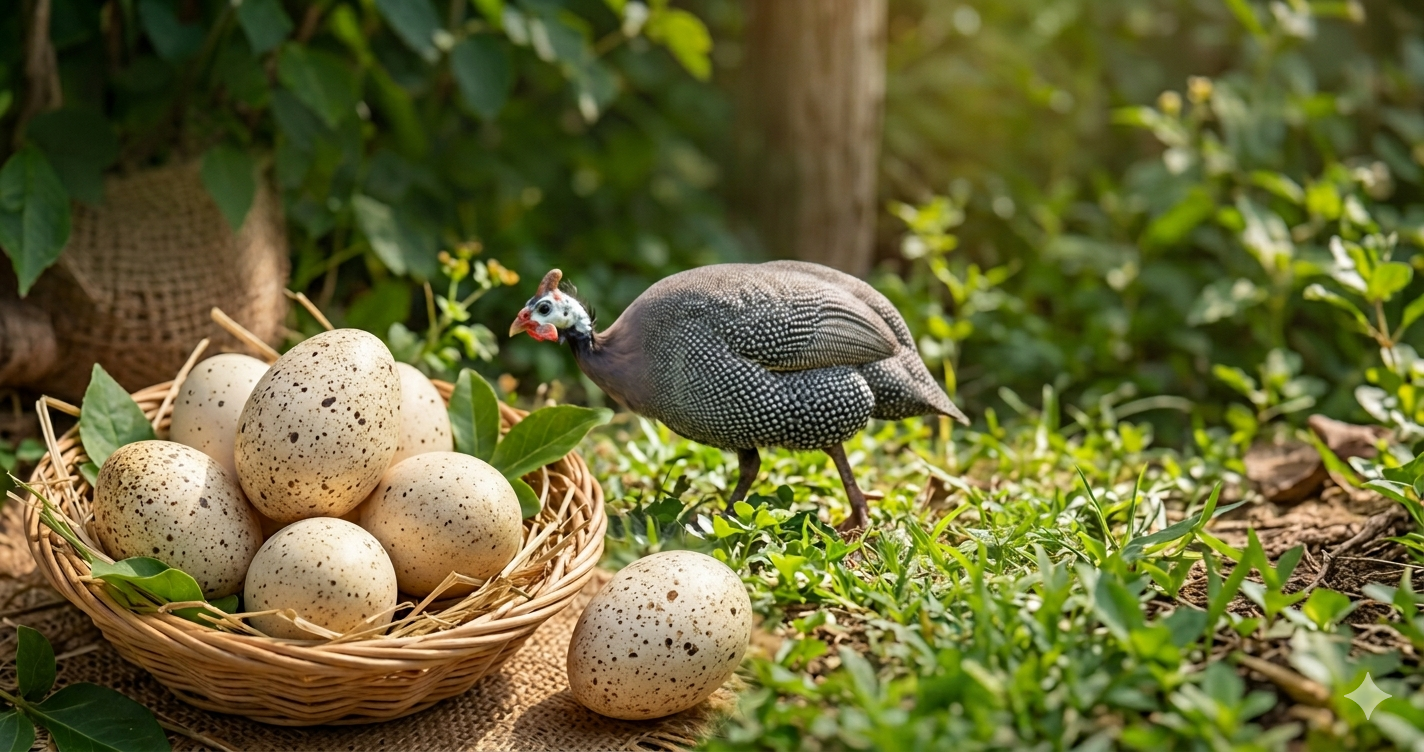
Guinea fowl eggs are the eggs laid by guinea fowl, a bird often raised for pest control, meat, and farmyard alert behavior. Their eggs are usually smaller than chicken eggs, with a pointed shape and a hard shell that feels stronger and thicker.
The shell color is often cream, light brown, or tan, usually with tiny speckles. Inside, the yolk tends to look rich and vibrant, and many people say the flavor feels more concentrated than a standard chicken egg.
For beginners, the biggest surprise is often the shell. Guinea fowl eggs do not crack as easily as chicken eggs, which is helpful for storage but may feel unusual at first in the kitchen.
Are Guinea Fowl Eggs Safe to Eat?
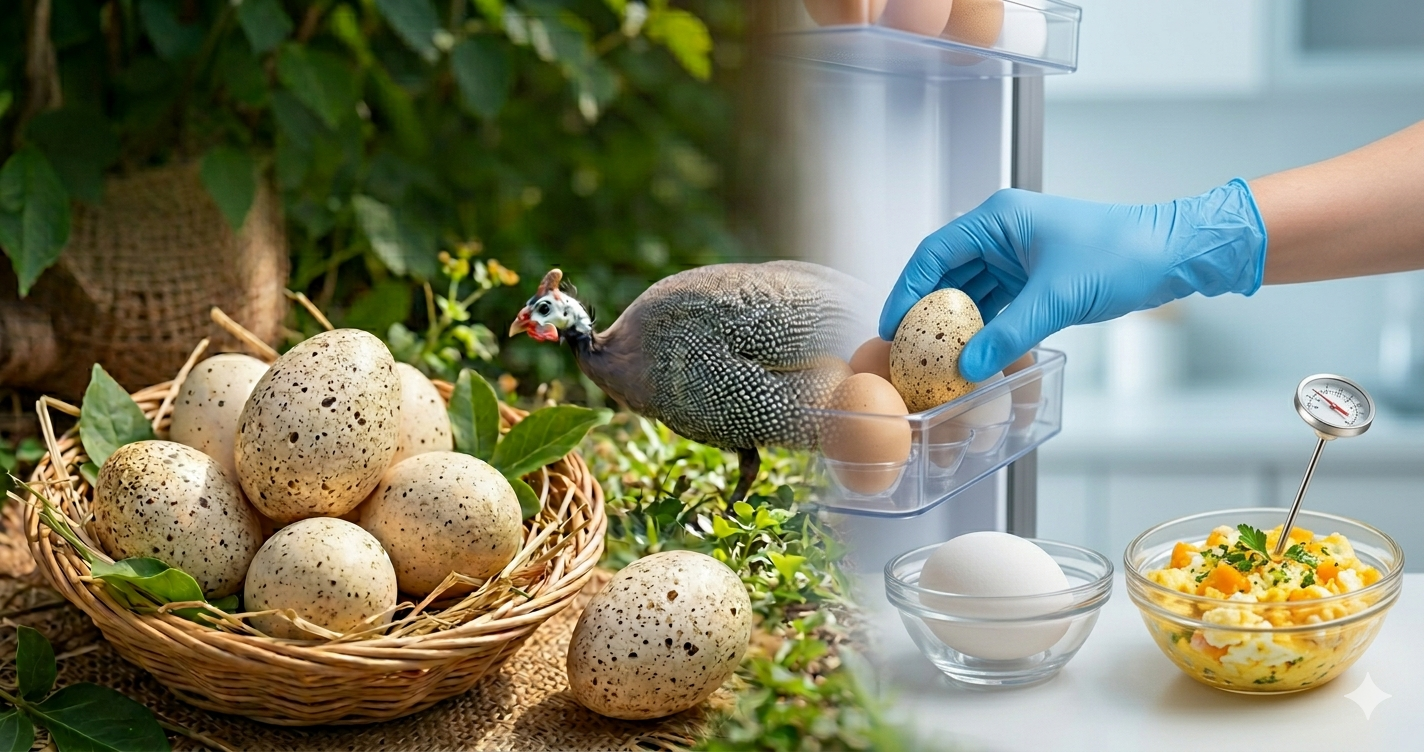
are guinea fowl eggs safe to eat Yes, guinea fowl eggs are safe to eat when they are fresh, clean, and handled properly. Just like chicken eggs, they should come from healthy birds and be stored correctly before use.
You can boil, fry, scramble, or bake with them. The key is using the same food safety habits you would use for any other egg. Keep them refrigerated if needed, avoid cracked eggs, and cook them thoroughly if you want to reduce food safety concerns.
For many people in the USA, the question is not really about safety. It is more about familiarity. Chicken eggs are common, while guinea fowl eggs feel less familiar. But when handled properly, they are absolutely a real edible option.
What Do Guinea Fowl Eggs Taste Like?
Guinea fowl eggs have a rich, eggy flavor that many people describe as slightly stronger or more concentrated than chicken eggs. They are not strange or unpleasant. They simply feel a little more intense in a good way.
Because the eggs are smaller, the flavor can seem more compact. Some people also notice that the yolk feels richer, which makes these eggs a nice choice for simple dishes where the egg flavor really matters.
If you like farm-fresh eggs with more character, guinea fowl eggs can be very enjoyable. If you prefer very mild eggs, you may notice the difference right away.
Guinea Fowl Eggs vs Chicken Eggs
The most common comparison is guinea fowl eggs vs chicken eggs, and it is easy to see why. Chicken eggs are widely available, while guinea fowl eggs feel more niche and interesting.
Guinea fowl eggs are usually smaller. Their shells are thicker and harder. Their flavor is often described as richer. Chicken eggs, on the other hand, are more familiar, easier to find, and simpler for everyday cooking if convenience matters most.
In practical terms, guinea fowl eggs can still be used in many of the same ways. The main thing to remember is that you may need more than one guinea fowl egg to match the volume of a larger chicken egg in some recipes.
Guinea Fowl Egg Benefits
Guinea fowl eggs are valued for being rich, satisfying, and useful in a balanced diet. Like other eggs, they provide protein and fats that help make meals feel more complete.
Many people are drawn to them because they come from an alternative poultry source and feel more natural or farm-focused, especially for homesteaders and backyard poultry keepers. Their rich yolk and dense feel also make them appealing for hearty breakfasts and simple protein-based meals.
The real benefit for many people is not just nutrition on paper. It is the combination of freshness, flavor, and variety. If you raise your own birds, guinea fowl eggs can add something different to your farm-to-table routine.
Guinea Fowl Egg Shell
One of the most noticeable features of guinea fowl eggs is the thick shell. This is not just a random detail. It affects how the eggs are handled, stored, and cooked.
A thicker shell can help protect the egg better, which is useful on farms and in small backyard setups. It may also help the egg stay in good condition longer when stored properly. At the same time, it means cracking the egg can take a little more effort.
For anyone new to guinea fowl eggs, this is one of the first practical differences you will notice. It is small, but it matters.
How to Cook Guinea Fowl Eggs
Guinea fowl eggs can be cooked in many of the same ways as chicken eggs. You can boil them, fry them, scramble them, poach them, or use them in baking. The method is not the challenge. The main difference is size and shell strength.
Boiled guinea fowl eggs are a great place to start because they let you see the egg clearly and enjoy the rich yolk. Scrambled eggs are also a good option if you want an easy breakfast. In baking, they can work well, especially if you are careful about quantity.
Because they are smaller, they can also be a fun choice for snacks, salads, or small plates. They feel a little special without being difficult to use.
How to Store Guinea Fowl Eggs
Good storage matters if you want guinea fowl eggs to stay fresh and safe. Clean eggs gently if needed, avoid unnecessary washing right before storage, and keep them in a cool place depending on how they were handled after collection.
If you are using them at home in the USA, refrigeration is the safest and most practical choice in most cases. Keep them away from strong odors, use older eggs first, and check for cracks before cooking.
Because the shell is thicker, many people assume storage does not matter as much. It still does. A strong shell helps, but freshness always matters more than assumptions.
Who Should Use Guinea Fowl Eggs?
Guinea fowl eggs are a good fit for several types of people. They are useful for backyard poultry keepers who want to use what their birds produce. They are interesting for food lovers who enjoy trying less common farm products. They are also appealing to homesteaders who want more variety from their flock.
They may not be the best everyday choice for someone who needs cheap, easy-to-find eggs in large amounts. In that case, chicken eggs are usually more practical. But for people who value freshness, uniqueness, and farm-based living, guinea fowl eggs offer something worth exploring.
This is really where their value shines. They are not trying to replace every egg. They offer a different experience.
Guinea Fowl Egg Mistakes
A common mistake is assuming guinea fowl eggs behave exactly like chicken eggs in every recipe. They are similar, but their smaller size and thicker shell can change the experience a bit.
Another mistake is ignoring freshness. Because these eggs feel rare or special, some people focus too much on novelty and not enough on proper handling. Fresh, clean eggs always matter most.
Some people also give up too fast after the first try. Maybe the shell feels hard to crack, or the size seems too small. But once you get used to them, they are easy to enjoy.
Final Thoughts on Guinea Fowl Eggs
Guinea fowl eggs are small, rich, practical, and surprisingly easy to enjoy once you understand them. They are safe to eat, useful in the kitchen, and different enough from chicken eggs to feel special without being complicated.
If you raise guinea fowl or have access to their eggs in the USA, they are worth trying. Start simple, learn how they compare to chicken eggs, and use them in meals where their flavor can shine.
Are guinea fowl eggs good to eat?
Yes, guinea fowl eggs are good to eat. They are safe, rich in flavor, and can be cooked like chicken eggs.
What do guinea fowl eggs taste like?
Guinea fowl eggs taste rich and slightly stronger than chicken eggs, with a creamy yolk and fuller egg flavor.
Can you use guinea fowl eggs like chicken eggs?
Yes, you can use guinea fowl eggs like chicken eggs for boiling, frying, scrambling, and baking.
Are guinea fowl eggs smaller than chicken eggs?
Yes, guinea fowl eggs are usually smaller than chicken eggs and have a thicker shell.
How many guinea fowl eggs equal one chicken egg?
It depends on the size, but in many cases, about 2 guinea fowl eggs can equal 1 medium to large chicken egg in recipes.
-
Guinea Fowl Meat Guide: Taste, Benefits, and Cooking
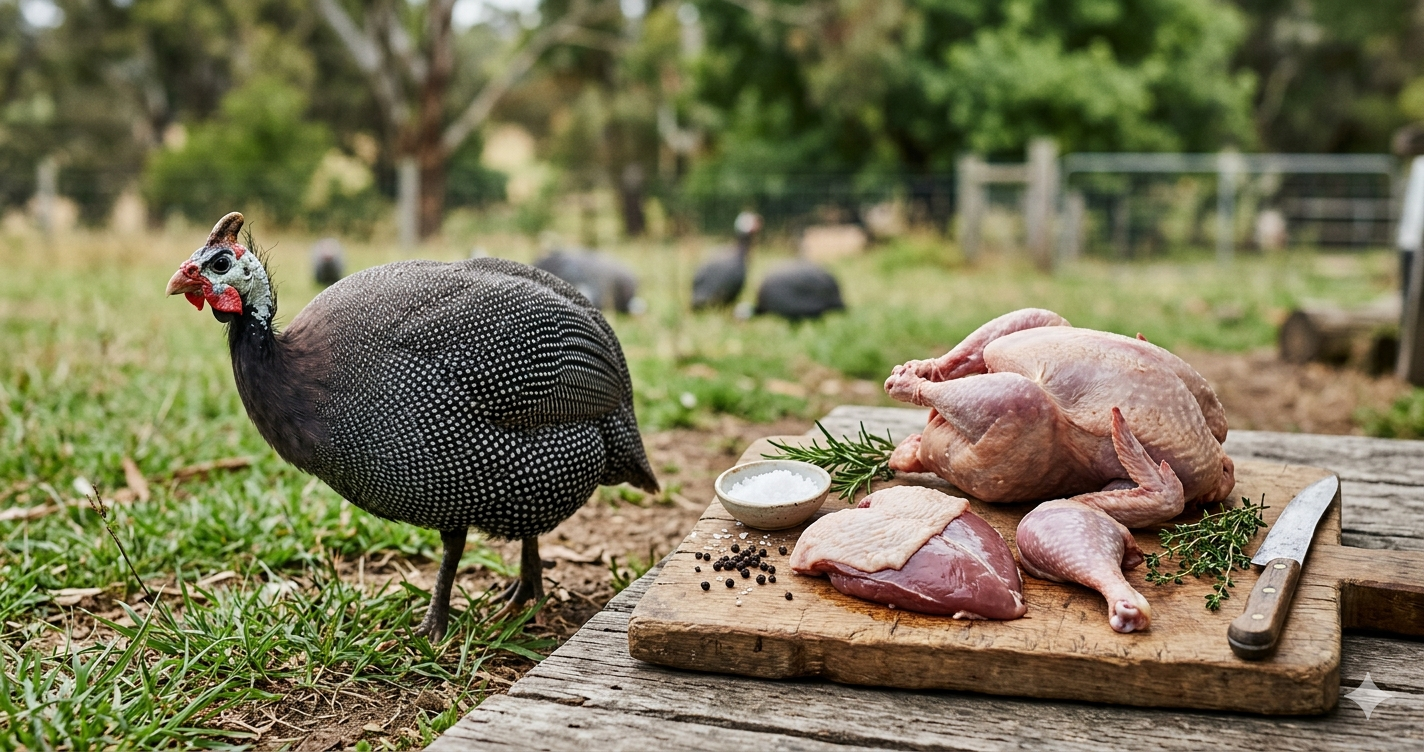
Guinea fowl meat is one of those foods that surprises people in the best way. It looks like poultry, but the flavor is deeper, richer, and more memorable than standard chicken. If you are curious about trying something different without going too far outside your comfort zone, you are in the right place.
This guide breaks down everything you need to know about guinea fowl meat in a simple way. You will learn how it tastes, why people value it, how healthy it is, and the best ways to cook it so it turns out tender and full of flavor.
Why Guinea Fowl Meat Is Getting More Attention
Guinea fowl meat is becoming more popular because people want food that feels special but still practical. It offers a richer taste than chicken, yet it is not as strong or heavy as some wild game meats. That makes it a great middle ground for home cooks who want something new.
It also appeals to people who care about quality and nutrition. Guinea fowl is often seen as a leaner, more natural option, especially when raised in a farm environment with room to move.
Topic: Why guinea fowl meat is growing in popularity
Best for: Readers who want to understand why this meat stands out
Quick Tip: Start with roasted guinea fowl if you are trying it for the first time. It is the easiest way to enjoy its natural flavor.What Does Guinea Fowl Meat Taste Like?
The taste of guinea fowl meat is often described as a cross between chicken and pheasant. It has the familiar comfort of poultry, but the flavor is slightly richer, earthier, and more refined. The breast meat is lean and mild, while the darker meat has a fuller taste.
This is why many people enjoy it for special meals. It feels more premium than regular chicken, but it is still easy to pair with common seasonings like garlic, thyme, lemon, butter, and black pepper.
Topic: Flavor profile of guinea fowl meat
Best for: Readers comparing guinea fowl with chicken or other birds
Quick Tip: Do not overpower guinea fowl with heavy spices. Its natural flavor is one of its biggest strengths.Guinea Fowl Meat vs Chicken: What Is the Real Difference?
The biggest difference between guinea fowl meat and chicken is the flavor and texture. Guinea fowl is leaner, slightly firmer, and more flavorful. Chicken is softer and milder, which makes it easy for everyday use, but guinea fowl brings more character to the plate.
Another difference is how it cooks. Because guinea fowl meat is lean, it can dry out if overcooked. Chicken is usually a bit more forgiving. That means guinea fowl rewards careful cooking and gives you a result that feels more elegant and satisfying.
Topic: Comparing guinea fowl meat with chicken
Best for: Readers deciding whether guinea fowl is worth trying
Quick Tip: Cook guinea fowl gently and avoid long overcooking to keep the meat juicy.Nutritional Benefits of Guinea Fowl Meat
Guinea fowl meat is valued for being lean and protein-rich. For people who want a meat option that supports a balanced diet, this bird can be a smart choice. It usually contains less fat than many common poultry options, which makes it attractive to health-conscious eaters.
It also provides important nutrients that help support energy, muscle maintenance, and overall wellness. When included in a well-rounded meal with vegetables and whole grains, guinea fowl meat can fit nicely into a healthy eating plan.
Topic: Health and nutrition value of guinea fowl meat
Best for: Readers who want a healthier meat option
Quick Tip: Pair guinea fowl with simple sides like roasted vegetables to keep the meal light and balanced.Why Guinea Fowl Meat Feels More Premium
One reason guinea fowl meat stands out is the eating experience. It feels more refined than everyday poultry. The flavor is deeper, the texture is more distinct, and the final dish often feels restaurant-worthy even when made at home.
That premium feel also makes it a strong choice for dinner parties, holiday meals, or family gatherings where you want to serve something a little different. It is impressive without being difficult to explain or enjoy.
Topic: The premium appeal of guinea fowl meat
Best for: Readers planning a more special meal
Quick Tip: Serve guinea fowl with simple herbs and a clean side dish so the meat remains the star of the plate.Best Ways to Cook Guinea Fowl Meat
Roasting is one of the best ways to cook guinea fowl meat. It helps the skin turn golden while keeping the inside tender if cooked carefully. Braising is another strong option, especially for people who want extra moisture and softness.
Pan-searing followed by oven finishing can also work well for cuts like breast portions. The main goal is to respect the meat’s lean nature. A little butter, broth, or oil can go a long way in keeping it juicy.
Topic: Top cooking methods for guinea fowl meat
Best for: Home cooks who want reliable results
Quick Tip: Rest the meat after cooking so the juices settle and the texture stays tender.Common Mistakes to Avoid When Cooking Guinea Fowl
The most common mistake is treating guinea fowl exactly like chicken. Since it is leaner, it needs more attention to cooking time. If you leave it in the oven too long, it can become dry faster than expected.
Another mistake is skipping moisture. A dry cooking method without butter, marinade, stock, or basting can reduce the final quality. Even simple preparation steps make a big difference with guinea fowl meat.
Topic: Cooking mistakes that affect flavor and texture
Best for: Beginners cooking guinea fowl for the first time
Quick Tip: Use a meat thermometer to avoid guessing and overcooking.The Best Seasonings for Guinea Fowl Meat
Guinea fowl meat pairs beautifully with fresh, clean flavors. Herbs like thyme, rosemary, sage, and parsley work very well. Garlic, onion, lemon, and black pepper also help bring out the bird’s natural depth without covering it up.
If you want a richer result, butter-based sauces or light pan gravies can complement the meat nicely. For a more rustic style, root vegetables and earthy herbs are a great match.
Topic: Seasonings that suit guinea fowl meat
Best for: Readers who want better flavor pairings
Quick Tip: Use citrus and herbs for freshness, or butter and garlic for a richer finish.Is Guinea Fowl Meat Good for Everyday Meals?
Yes, it can be. While guinea fowl meat has a more special reputation, it does not have to be saved only for big occasions. If you enjoy meal variety and like cooking with intention, it can work well for weekend dinners or family meals.
The key is to choose easy recipes and simple sides. Once you understand the cooking basics, guinea fowl becomes much less intimidating and much more practical.
Topic: Using guinea fowl meat beyond special occasions
Best for: Families and home cooks wanting more variety
Quick Tip: Try guinea fowl in a simple roast dinner before moving to more detailed recipes.Who Should Try Guinea Fowl Meat?
Guinea fowl meat is ideal for anyone bored with regular chicken and looking for something with more personality. It is also a great option for food lovers who enjoy trying premium poultry without stepping into very strong game flavors.
It can also suit health-focused eaters, careful home cooks, and people who want to serve memorable meals without using complicated ingredients. In short, it works for more people than many expect.
Topic: Who guinea fowl meat is best suited for
Best for: Curious eaters and first-time buyers
Quick Tip: If you like chicken but want more flavor, guinea fowl is one of the easiest upgrades to try.How to Buy and Store Guinea Fowl Meat
When buying guinea fowl meat, look for fresh color, clean packaging, and proper refrigeration. If you buy frozen guinea fowl, thaw it slowly in the refrigerator instead of leaving it out at room temperature. That helps protect both quality and food safety.
For storage, keep it cold and cook it within a safe time frame if fresh. If frozen, seal it well to protect the texture and flavor. Good storage matters because premium meat deserves proper handling.
Topic: Buying and storing guinea fowl meat the right way
Best for: Readers planning to purchase guinea fowl meat
Quick Tip: Buy from trusted farms, butchers, or quality poultry suppliers whenever possible.Is Guinea Fowl Meat Worth Trying?
For many people, the answer is yes. Guinea fowl meat offers a better flavor experience than ordinary poultry while still being familiar enough for easy cooking. It feels like an upgrade without becoming too complicated.
If you enjoy lean meat, richer flavor, and meals that feel a little more thoughtful, guinea fowl is absolutely worth exploring. It gives you something different, but in a way that still feels approachable.
Topic: Whether guinea fowl meat is worth the cost and effort
Best for: Readers still deciding if they should try it
Quick Tip: Start simple, cook carefully, and let the meat’s natural flavor do the work.Conclusion
Guinea fowl meat stands out because it brings together great taste, lean nutrition, and a more premium feel than everyday chicken. It is flavorful without being too strong, and it rewards simple cooking done the right way.
If you have been curious about guinea fowl meat, this is your sign to give it a try. Use the tips in this guide, keep the seasoning simple, and focus on gentle cooking. Then explore more recipes, compare flavors for yourself, and find the version that fits your table best.
FAQs
Is guinea fowl meat good to eat?
Yes, guinea fowl meat is very good to eat. It is lean, flavorful, and often considered a richer alternative to chicken. Many people enjoy it because it feels a little more special while still being easy to cook in familiar ways.
What does guinea fowl meat taste like?
Guinea fowl meat tastes richer than chicken and slightly gamey, but not too strong. Many people describe it as a mix between chicken and pheasant, with a firmer texture and deeper flavor.
Is guinea fowl meat healthier than chicken?
Guinea fowl meat is often seen as a healthy option because it is lean and high in protein. In many cases, it has less fat than regular chicken, which makes it appealing for people who want lighter poultry.
How do you cook guinea fowl meat without drying it out?
The best way to cook guinea fowl meat without drying it out is to roast, braise, or cook it gently with added moisture. Butter, oil, stock, and resting time after cooking all help keep the meat tender and juicy.
Is guinea fowl meat expensive?
Guinea fowl meat is usually more expensive than chicken because it is less common and often seen as a premium poultry option. The price can vary depending on where you buy it and whether you choose a whole bird or specific cuts.
-
How do beginners start guinea fowl farming?
So, you’re thinking about starting guinea fowl farming? Smart choice! These little birds are hardy, low-maintenance, and can be surprisingly profitable if you know what you’re doing. Whether you’re a small backyard farmer or thinking of running a medium-scale operation, this guide will walk you through everything—from picking your first birds to selling their eggs and meat.
Grab a cup of coffee and let’s dive in.
Step 1: Why Guinea Fowl Are Awesome
Before we jump into the practical stuff, let’s talk about why guinea fowl are worth farming:
- Hardy and disease-resistant: They survive well in harsh conditions and are less prone to common poultry diseases.
- Great for pest control: They eat insects, ticks, and even small snakes. Your garden will thank you.
- Valuable products: Their meat is lean and tasty, and eggs are nutritious and sought after in niche markets.
- Low maintenance: Compared to chickens, they’re less demanding, especially if you give them space to roam safely.
Step 2: Choosing the Right Breed
Not all guinea fowls are created equal. The breed you pick can affect your farm’s productivity and profitability. Here’s the breakdown:
- Pearl Guinea Fowl: Most common, hardy, and great for beginners. Resistant to disease, adaptable to different climates.
- Lavender Guinea Fowl: Attractive, lighter meat, slightly less hardy than Pearl.
- White Guinea Fowl: Popular for meat production, grows larger than Pearl, but requires more care.
Tip: For beginners, start with Pearl. They’re forgiving and great for learning the ropes.
Step 3: Housing and Space Requirements
Guinea fowl love to roam, but they need safe, comfortable housing. Here’s what you need to know:
- Indoor space: 1–2 square feet per bird. Enough room to roost, nest, and move around.
- Outdoor space: 3–4 square feet per bird. They love to forage and stretch their wings.
- Coop design: Use wire mesh to prevent predators, include nesting boxes, and ensure proper ventilation.
- Fencing: Very important! Guinea fowl are flighty and curious. Without fencing, they might wander off.
Practical tip: Add perches inside the coop about 1.5–2 feet high. Guinea fowl like to roost, and it keeps them happy and safe at night.
Step 4: Feeding and Nutrition
Here’s where many new farmers make mistakes—feeding. Guinea fowl aren’t picky eaters, but they thrive on a balanced diet:
- Base diet: Grains like maize, millet, and sorghum.
- Protein: Crushed legumes, insects, or commercial poultry feed. Protein is especially important for growth and egg production.
- Greens: Spinach, cabbage, or any leafy vegetables.
- Calcium: Crushed eggshells or oyster shells for strong eggshells.
- Water: Fresh and clean water is non-negotiable.
Pro tip: Let them forage! Guinea fowl love bugs, small worms, and seeds. Foraging supplements their diet naturally.
Step 5: Health and Disease Management
A healthy flock is a productive flock. Guinea fowl are hardy, but you still need to protect them:
- Vaccinations: Consult a vet about vaccines like Newcastle disease.
- Parasite control: Worms, mites, and ticks can affect your birds. Routine checks are essential.
- Clean housing: Remove droppings daily, clean nesting boxes weekly, and ensure the coop is dry and ventilated.
- Observe daily: Watch for lethargy, loss of appetite, or unusual droppings. Early detection saves money and birds.
Step 6: Breeding and Egg Collection
If you want your farm to grow, you’ll need to understand breeding:
- Natural incubation: Guinea fowl hens are sometimes unreliable sitters. Only a few will consistently brood.
- Artificial incubation: Using an incubator ensures a higher hatch rate and is ideal for commercial setups.
- Eggs: Collect daily. Store at 15–18°C (59–64°F) for best hatch results if you’re incubating.
- Maturity: Birds mature around 24–28 weeks. They start laying eggs around that time.
Tip: Keep a rooster for every 10–12 hens if you want fertile eggs.
Step 7: Marketing Your Products
This is where your hard work pays off. Guinea fowl products can fetch premium prices:
- Eggs: Smaller than chicken eggs but richer in nutrients. Health-conscious buyers love them.
- Meat: Lean and gamey. Sell to gourmet restaurants, local markets, or directly to consumers.
- Live birds: Sell to other farmers or as pets.
Marketing tips:
- Highlight that your birds are free-range and healthy.
- Package eggs neatly; presentation matters.
- Build relationships with local restaurants—they often pay more than individual buyers.
Step 8: Beginner Mistakes to Avoid
- Starting too big: Begin with 20–50 birds, learn the ropes, then scale up.
- Poor fencing: Guinea fowl escape easily. Invest in sturdy fencing.
- Ignoring health: Even hardy birds need routine checks.
- Underestimating space: Overcrowding leads to stress, low egg production, and disease.
- Neglecting the market: Know who will buy your eggs and meat before investing heavily.
Guinea Fowl vs Chicken: Quick Snapshot
Feature Guinea Fowl Chicken Egg Production 80–120/year 250–300/year Meat Taste Lean, gamey Mild, fatty Disease Resistance High Moderate Noise Level Alert calls, moderate Variable Maintenance Low Medium Market Value Higher niche demand Standard, widespread
Bottom Line
Starting guinea fowl farming is a rewarding venture if you approach it right. Start small, choose hardy breeds, give them secure housing, feed them well, and know your market. Over time, you’ll have a flock that’s not just productive but also fun to raise.
-
Understanding Guinea Fowl: Guide, History & Facts
Guinea fowl are unique poultry birds known for their distinctive spotted feathers, loud calls, and exceptional pest-control abilities. Originally native to Africa, these birds are now raised worldwide in farms and backyards.
Whether you are interested in raising guinea fowl, learning about their history, or understanding their role in agriculture, this guide provides a complete overview.
What Is a Guinea Fowl?
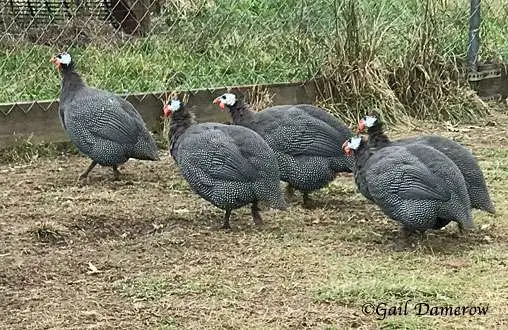
The Guinea fowl is a group of ground-dwelling birds belonging to the family Numididae. These birds are closely related to chickens, turkeys, and pheasants but are easily recognized by their helmet-like heads and dotted plumage.
The most common species kept domestically is the Helmeted guinea fowl, also called the guinea hen when referring to females. These birds are widely raised for eggs, meat, and natural pest control.
Guinea fowl are often described as:
- Medium-sized African guinea fowl birds
- Hardy and adaptable
- Excellent for free-range farming
- Loud but effective farm guardians
They are popular in backyard poultry systems because they require relatively little care compared to chickens.
Taxonomy and Classification
Guinea fowl belong to the biological classification:
- Kingdom: Animalia
- Phylum: Chordata
- Class: Aves
- Order: Galliformes
- Family: Numididae
The family includes several types of guinea fowl, such as:
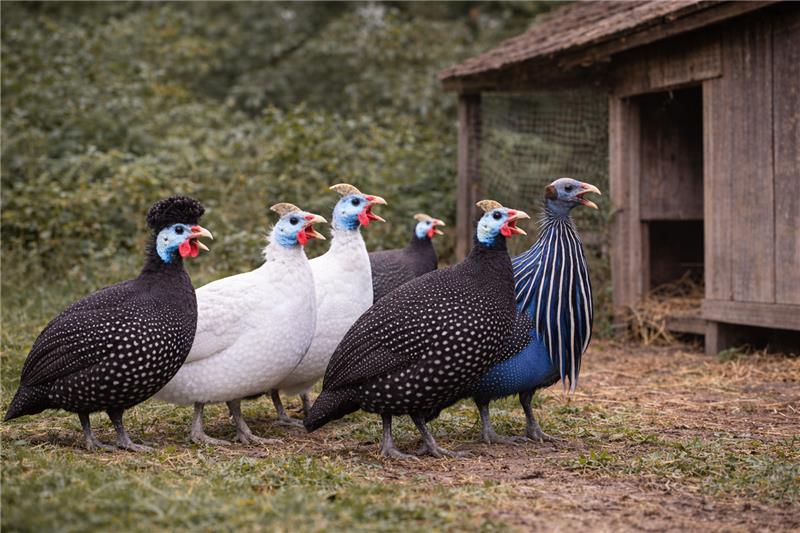
- Helmeted guinea fowl – the most commonly domesticated species
- Vulturine guinea fowl – known for its striking blue feathers and long neck
- Crested guinea fowl – identified by its curly crest
- Black guineafowl
Among these, the helmeted variety is the primary bird used in guinea fowl farming and backyard flocks.
Origins and History
Guinea fowl originate from Africa, where wild guinea fowl still roam savannas and open grasslands.
Historically:
- They were domesticated in West Africa thousands of years ago.
- Ancient traders introduced them to Ancient Greece and the Roman Empire.
- During colonial trade, guinea fowl spread to Europe and the Americas.
Today, guinea fowl are raised globally for eggs, meat, and natural pest control, especially in small farms and backyard poultry systems.
For more background information, visit:
- https://en.wikipedia.org/wiki/Guinea_fowl
- https://poultry.extension.org/articles/poultry-management/raising-guinea-fowl-in-small-and-backyard-flocks/
Physical Characteristics and Identification
Guinea fowl are easy to identify due to their unique appearance.
Key traits include:
- Speckled feathers with white spots
- Bare head with a helmet-shaped casque
- Strong legs for ground foraging
- Loud, distinctive calls
The average adult bird weighs 3–4 pounds (1.4–1.8 kg) and can live 10–15 years with proper care.
Guinea Fowl Habitat and Behavior
Wild guinea fowl prefer:
- Grasslands
- Open savannas
- Farmland edges
- Woodland clearings
Their natural guinea fowl habitat allows them to forage for insects, seeds, and small invertebrates.
Domesticated birds thrive in backyard guinea fowl environments where they can roam freely during the day and return to shelter at night.
Guinea Fowl Farming and Care
Raising guinea fowl has become popular among small farmers and homesteaders.
Housing
Proper guinea fowl housing should include:
- Predator-proof coop
- Elevated roosts
- Adequate ventilation
- Outdoor free-range space
Feeding
Guinea fowl naturally forage for:
- Ticks
- Beetles
- Grasshoppers
- Weed seeds
Because of this behavior, many farmers keep guinea fowl for pest control around gardens and farms.
Keets (Guinea Fowl Chicks)
Young guinea fowl are called keets.
Important care tips for guinea fowl chicks (keets):
- Warm brooder temperature
- High-protein starter feed
- Protection from predators
- Gradual introduction to outdoor space
Guinea Fowl for Sale: Best Places to Buy & Prices
Guinea Fowl vs Chicken
Many people compare guinea fowl vs chicken when deciding what poultry to raise.
Feature Guinea Fowl Chicken Noise Level Very loud Moderate Pest Control Excellent Moderate Egg Production Lower Higher Hardiness Very hardy Varies by breed Free-range ability Strong Moderate Guinea fowl are better suited for free-range farms, while chickens are typically preferred for consistent egg production.
Eggs and Breeding
Guinea Fowl Eggs
Guinea fowl eggs are:
- Smaller than chicken eggs
- Very hard-shelled
- Rich in flavor
The typical guinea fowl egg color ranges from cream to light brown with speckles.
Breeding and Incubation
Key breeding facts:
- Breeding season: Spring to early summer
- Guinea fowl incubation period: about 26–28 days
- Females lay 20–30 eggs per clutch
Distinguishing guinea fowl male vs female can be tricky, but males usually have louder calls and larger head helmets.
Guinea Fowl Meat and Culinary Uses
Guinea fowl meat is considered a delicacy in many cuisines.
It is known for:
- Lean protein content
- Rich, game-like flavor
- Lower fat compared to chicken
Many chefs say the guinea fowl taste resembles a combination of chicken and pheasant.
Popular dishes include:
- Roasted guinea fowl
- French country stews
- Mediterranean herb roasts
In addition, guinea fowl nutrition provides high protein and essential vitamins.
Interesting Facts About Guinea Fowl
Here are some fascinating facts about these birds:
- Guinea fowl are excellent tick hunters, helping reduce Lyme disease risk in rural areas.
- They can act as natural alarm systems, loudly warning when predators or strangers approach.
- A group of guinea fowl is sometimes called a confusion because of their noisy flock behavior.
- Despite domestication, many birds still retain strong wild guinea fowl instincts.
FAQs
Are guinea fowl good for pest control?
Yes. Guinea fowl are widely kept on farms because they eat insects like ticks, grasshoppers, beetles, and even small snakes. This makes them highly effective natural pest control birds in gardens and agricultural areas.
Do guinea fowl lay eggs every day?
No. Guinea hens usually lay eggs during the warm breeding season. While they can produce 60–100 eggs per year, they do not lay as consistently as chickens.
Are guinea fowl eggs good to eat?
Yes, guinea fowl eggs are smaller than chicken eggs, have thick shells, and are rich in protein. They are nutritious, flavorful, and ideal for baking or daily consumption.
Are guinea fowl difficult to raise?
Guinea fowl are relatively easy to raise because they are hardy and forage well. However, they can be noisy and tend to roam, so they are best suited for farms or large backyard spaces.
What is the incubation period for guinea fowl eggs?
The typical guinea fowl incubation period is 26 to 28 days, slightly longer than chicken eggs.
Conclusion
Guinea fowl are fascinating birds with a long history, unique appearance, and practical benefits for farms and backyard poultry keepers. From their African origins to their modern role in pest control and sustainable farming, these birds continue to gain popularity worldwide.
Whether you’re interested in raising guinea fowl, trying guinea fowl eggs, or exploring guinea fowl meat recipes, these hardy birds offer both agricultural and culinary value.
-
Understanding Guinea Fowl Sounds (Complete Guide)
Guinea fowl are known not just for their striking plumage and utility in pest control but also for their distinctive vocalizations. Understanding their sounds can help you monitor their health, behavior, and safety in a flock.
Let’s dive in!
Types of Guinea Fowl Sounds
Guinea fowl communicate using a variety of calls, each serving a different purpose. Common sounds include:
Sound Type Description & Purpose Alarm Call A loud, harsh “kek-kek-kek” sound to alert the flock of potential predators or danger. Often the most recognizable call. Contact Call Soft clucking or chattering used to maintain contact with other flock members while foraging. Mating Call Male guinea fowl may make low, repetitive cooing or clucking sounds during the breeding season to attract females. Warning/Distress Call Sharp, high-pitched sounds when injured or threatened, signaling immediate danger to the flock. Why Guinea Fowl Make Sounds
Guinea fowl are highly social birds. Their vocalizations serve several purposes:
- Safety & Alarm: Alerting others of predators like foxes, dogs, or birds of prey.
- Flock Cohesion: Keeping members together while foraging over large areas.
- Reproductive Communication: Males and females use calls during mating season.
- Territorial Signals: Warn intruders away from their feeding or nesting areas.
Understanding Your Flock Through Sounds
Observing and recognizing guinea fowl sounds can help you:
- Detect predators before they attack
- Monitor health (quiet or unusual calls can indicate stress or illness)
- Track flock dynamics and social hierarchy
- Identify breeding readiness
FAQs
Why do guinea fowl make loud noises?
Loud calls are usually alarm calls to warn the flock of predators or danger nearby.
Can guinea fowl be trained to be quiet?
While you can reduce noise by providing safe housing, food, and regular flock management, guinea fowl naturally vocalize frequently.
What is the meaning of different guinea fowl calls?
Different calls serve specific purposes: alarm calls, contact calls, mating calls, and warning/distress calls.
Do guinea fowl make noise at night?
Generally, guinea fowl are quiet at night when roosting, but they may call if disturbed or threatened.
-
Guinea Fowl for Sale: Best Places to Buy & Prices
Guinea fowl are increasingly popular for backyard farming, pest control, and gourmet eggs. If you’re considering buying guinea fowl, it’s essential to understand the varieties, prices, and care requirements before making a purchase. This guide will help you make an informed decision.
Why Buy Guinea Fowl?
Guinea fowl are prized for several reasons:
- Pest Control: They eat ticks, insects, and small pests.
- Egg Production: They produce nutritious and flavorful eggs.
- Meat: Lean, gourmet-quality poultry.
- Ornamental Value: Unique plumage varieties like Pearl, Lavender, or Royal Purple enhance backyard aesthetics.
Where to Buy Guinea Fowl
You can purchase guinea fowl from reputable hatcheries and poultry farms. A trusted source ensures healthy birds and proper breed identification.
Recommended Source: Buy Guinea Fowl from Cackle Hatchery
- Offers multiple breeds including Pearl, Lavender, French, and Black Guinea Fowl
- Ships chicks and adult birds with proper care instructions
- Reliable for backyard poultry enthusiasts and commercial farmers
Factors to Consider Before Buying
Factor Details Breed/Variety Choose based on purpose: Pearl (general purpose), Lavender (ornamental), French (meat production), Helmeted (standard variety) Age Chicks are easier to acclimate but require brooding; adults are ready for free-range systems Purpose Decide whether you want them for eggs, meat, pest control, or ornamental purposes Health & Vaccination Ensure birds are disease-free and vaccinated if possible Quantity Consider flock size; guinea fowl are social and thrive in groups of 5–25 birds Housing Prepare a safe coop or run with shelter and roosting areas Tips for Buying Guinea Fowl Online
- Check the Hatchery’s Reputation: Look for reviews and testimonials.
- Ask About Shipping Conditions: Ensure chicks are shipped in temperature-controlled boxes.
- Verify Breed Identification: Avoid mislabeled varieties.
- Plan for Quarantine: Keep new birds separate for a few days to monitor health.
- Prepare Housing in Advance: Ensure coop or free-range area is ready before arrival.
FAQs
Where can I buy guinea fowl online?
Trusted hatcheries like Cackle Hatchery offer multiple breeds and ship directly to your home.
How much do guinea fowl cost?
Prices vary depending on breed, age, and quantity; chicks typically cost $5–$20 each, while adults can cost more.
What breed of guinea fowl is best for eggs?
Pearl guinea fowl and Helmeted varieties are most commonly used for consistent egg production.
Can I buy guinea fowl for my backyard?
Yes, guinea fowl are ideal for backyard farming as long as you provide proper housing, flock mates, and space to roam.
Conclusion
Buying guinea fowl can be a rewarding investment for pest control, eggs, meat, and ornamental purposes. Choosing the right breed, age, and supplier is crucial for a healthy, productive flock.
Start your flock today by purchasing from a trusted source: Cackle Hatchery Guinea Fowl
-
Can You Eat Guinea Fowl Eggs? Taste, Benefits & Facts
Guinea fowl eggs are becoming increasingly popular among poultry enthusiasts and gourmet cooks. But are they safe to eat, and how do they compare to chicken eggs? This guide answers everything you need to know.
What Are Guinea Fowl Eggs?
Guinea fowl eggs are laid by birds of the species Numida meleagris and its domestic varieties (Pearl, Lavender, French, Black, White, and others). They are smaller than chicken eggs, have a thicker shell, and are often considered richer in flavor.
- Average Size: 40–45 g
- Shell Color: Cream, light brown, or tan
- Incubation: 26–28 days
- Nesting: Ground nests hidden in grass or shrubs
Are Guinea Fowl Eggs Safe to Eat?
Yes, guinea fowl eggs are completely edible. They are often praised for their rich, creamy taste and slightly stronger flavor than chicken eggs. Their thick shell protects them from bacteria and makes them last longer when stored properly.
Key Benefits of Guinea Fowl Eggs:
- High protein content
- Rich in vitamins A and B12
- Source of minerals like iron and phosphorus
- Thick shell makes them durable and long-lasting
Guinea Fowl Buying Guide: Understanding What to Know
Guinea Fowl Eggs vs Chicken Eggs
Guinea fowl eggs have a richer, more flavorful taste. Many chefs describe them as ideal for gourmet recipes, baking, and egg dishes where a stronger flavor is desired.
Feature Guinea Fowl Eggs Chicken Eggs Size 40–45 g 50–60 g Flavor Rich, creamy, slightly stronger Mild, familiar Shell Thick, durable Thinner Culinary Use Baking, frying, gourmet dishes Everyday cooking How to Cook Guinea Fowl Eggs
Guinea fowl eggs can be used in almost any recipe that uses chicken eggs. Popular cooking methods include:
- Boiling (soft or hard)
- Frying
- Scrambling
- Baking
- Omelets and gourmet dishes
Tip: Because the shell is thicker, it may take slightly longer to boil than a chicken egg.
Storage Tips
- Keep in the refrigerator to extend freshness.
- The thick shell allows them to stay fresh longer than chicken eggs, often up to 6–8 weeks if stored properly.
- Avoid washing until ready to use, as natural bloom helps preserve the egg.
4 People Also Ask (PAA) Boxes
- Can you eat guinea fowl eggs raw?
While technically edible, raw eggs carry a risk of salmonella, so it’s safer to cook them thoroughly. - Do guinea fowl eggs taste different from chicken eggs?
Yes, they have a richer, creamier flavor and are slightly stronger in taste than chicken eggs. - Are guinea fowl eggs healthier than chicken eggs?
Guinea fowl eggs are high in protein, vitamins, and minerals, and some consider them more nutrient-dense than chicken eggs. - How long do guinea fowl eggs last?
Due to their thick shell, they can last 6–8 weeks in the refrigerator if stored properly.
Conclusion
Guinea fowl eggs are edible, nutritious, and delicious, making them an excellent addition to any diet. Whether you raise guinea fowl yourself or buy them from a farm, their rich flavor and health benefits make them a favorite among poultry lovers and gourmet chefs alike.
-
Understanding Guinea Fowl Eggs vs Chicken Eggs
Feature Guinea Fowl Eggs Chicken Eggs Average Size 40–45 g 50–60 g (standard large egg) Shell Color Cream, light brown, tan White or brown (depends on breed) Shell Strength Very thick and hard Thinner and easier to crack Flavor Rich, creamy, slightly stronger taste Mild, familiar taste Nutritional Content High protein, rich in vitamins A & B12, iron, phosphorus High protein, moderate vitamins, less iron than guinea fowl eggs Egg Production per Year 80–120 eggs per hen 250–300 eggs per hen (domestic layers) Incubation Period 26–28 days 21 days Storage & Shelf Life Longer shelf life due to thick shell Shorter shelf life, more fragile Culinary Uses Gourmet dishes, baking, frying, boiling Everyday cooking, baking, frying, boiling Nesting Behavior Ground nests, hidden in grass or shrubs Nest boxes, coops, more controlled environments Guinea Fowl for Sale: Best Places to Buy & Prices
Are guinea fowl eggs edible?
Yes, guinea fowl eggs are fully edible and are often described as richer and more flavorful than chicken eggs.
Why are guinea fowl eggs stronger than chicken eggs?
Guinea fowl eggs have a thicker shell, which protects them in wild ground nests and allows longer storage.
How many guinea fowl eggs does a hen lay per year?
A female guinea fowl typically lays 80–120 eggs per year, mainly during the breeding season.
Do guinea fowl eggs taste different from chicken eggs?
Yes, they have a slightly stronger, richer, and creamier flavor, making them popular in gourmet cooking.